
Course Summary
Course Category: CAO (Higher Education - HET)
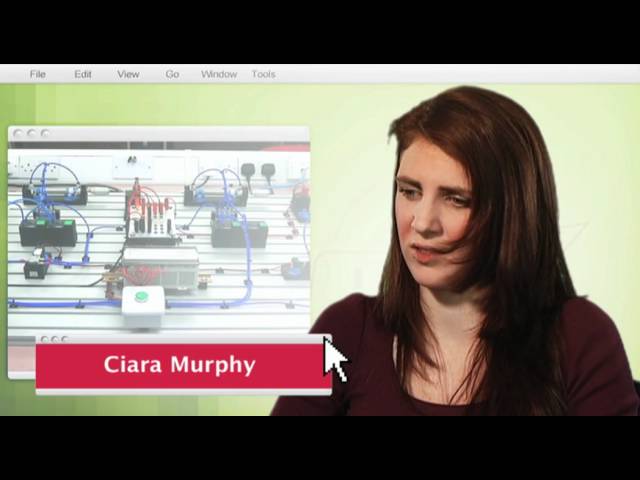
Small, lightweight, portable devices like smartphones and tablets combine wireless technology with processing power to provide internet, communications and leisure functionality while on the move. They are now driving how we live, work and play. Combining low power consumption with microchip design, telecommunication and control circuitry (hardware) and the operating system software, they are the ultimate electronic system.
Course Details

What will you study?
-
Electronic Engineering Programming Mathematics Digital Systems Telecommunications Innovation Computer Systems Electronics Applications Mobile Robotics
Important
- Colleges may add/remove modules to keep the course updated and to meet demands.
Progression to CAO Courses
The Student - Career Interests
This course is typically suited for people with the following Career Interests:
Realist
Realists are usually interested in 'things' - such as buildings, mechanics, equipment, tools, electronics etc. Their primary focus is dealing with these - as in building, fixing, operating or designing them. Involvement in these areas leads to high manual skills, or a fine aptitude for practical design - as found in the various forms of engineering.
Realists like to find practical solutions to problems using tools, technology and skilled work. Realists usually prefer to be active in their work environment, often do most of their work alone, and enjoy taking decisive action with a minimum amount of discussion and paperwork.
Investigative
The Investigative person will usually find a particular area of science to be of interest. They are inclined toward intellectual and analytical activities and enjoy observation and theory. They may prefer thought to action, and enjoy the challenge of solving problems with sophiscticated technology. These types prefer mentally stimulating environments and often pay close attention to developments in their chosen field.
Further Research
DISCLAIMER: These links are to official sources of information for this course - we accept no responsibility for the information on them.
Career Progression
Graduates are highly employable and can find work in many areas, including electronics, product development, IT, gaming, telecoms, manufacturing and smart power industries.