
Course Summary
Course Category: CAO (Higher Education - HET)
History of Art and Architecture
History of Art and Architecture is about the study of images, objects and buildings. It is unique in developing high levels of visual literacy applicable to a range of career pathways. It explores why works of art look the way they do and seeks to discover what they say about the societies that created them. It develops skills in visual analysis, critical assessment, and communication.
Drama Studies (Restricted)
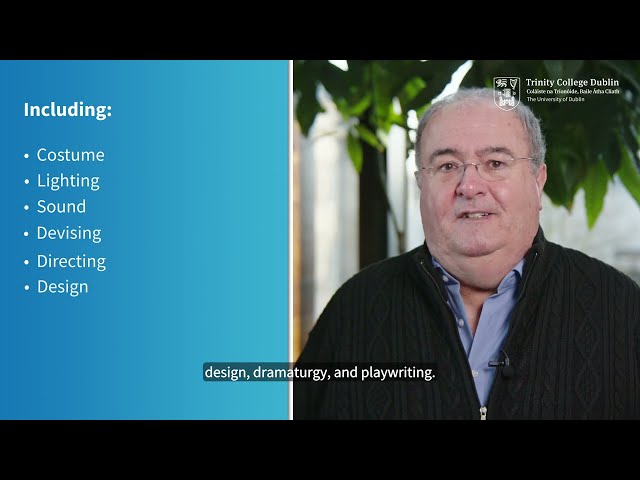
The degree explores the relationship between the theory and practice of Drama and Theatre to discover how and why they work. The strong developmental emphasis of the courses requires a particular blend of practical and academic skills. In addition to a high level of analytical ability and creativity you will need to possess resourcefulness and self-motivation
Course Details

What will you study?
-
Insular Art Antiquity Innovation Early Medieval Architecture Church Chivalry Sculpture Painting Modernism Drama and theatre studies Drama studies dance historian analyst performance semiotics feminism gender studies dramaturgy postmodernism stage costume and lighting design playwriting devising directing theatre management acting performance & technology drama & theatre
Important
- Colleges may add/remove modules to keep the course updated and to meet demands.
Progression to CAO Courses
The Student - Career Interests
This course is typically suited for people with the following Career Interests:
Creative
Creative people are drawn to careers and activities that enable them to take responsibility for the design, layout or sensory impact of something (visual, auditory etc). They may be atrracted to the traditional artistic pursuits such as painting, sculpture, singing, the performing arts or music. Or they may show more interest in design activities, such as architecture, animation, or craft areas, such as pottery and ceramics.
Creative people use their personal understanding of people and the world they live in to guide their work. Creative people like to work in unstructured workplaces, enjoy taking risks and prefer a minimum of routine.
Linguistic
The Linguistic's interests are usually focused on ideas and information exchange. They tend to like reading a lot, and enjoy discussion about what has been said. Some will want to write about their own ideas and may follow a path towards journalism, story writing or editing. Others will develop skills in other languages, perhaps finding work as a translator or interpreter. Most Linguistic types will enjoy the opportunity to teach or instruct people in a topic they are interested in.
Social
The Social person's interests focus on interacting with the people in their environment. In all cases, the Social person enjoys the personal contact with other people in preference to the impersonal dealings with things, data and ideas found in other groups.
Many will seek out positions where there is direct contact with the public in some advisory role, whether a receptionist or a counsellor. Social people are motivated by an interest in different types of people and like diversity in their work environments. Many are drawn towards careers in the caring professions and social welfare area, whilst others prefer teaching and other 'informing' roles.
Further Research
DISCLAIMER: These links are to official sources of information for this course - we accept no responsibility for the information on them.
Career Progression
In recent years graduates have been employed as lecturers, curators, editors, and writers in universities, galleries, museums, publishing houses and art salesrooms, administrative, commercial, media-based employment, theatre, film, or television (such as directing, acting, design, playwriting, management, community drama and teaching). Some have formed their own theatre companies, many have won awards. Others have chosen research careers beginning with further study at postgraduate level.
