
Course Summary
Course Category: CAO (Higher Education - HET)
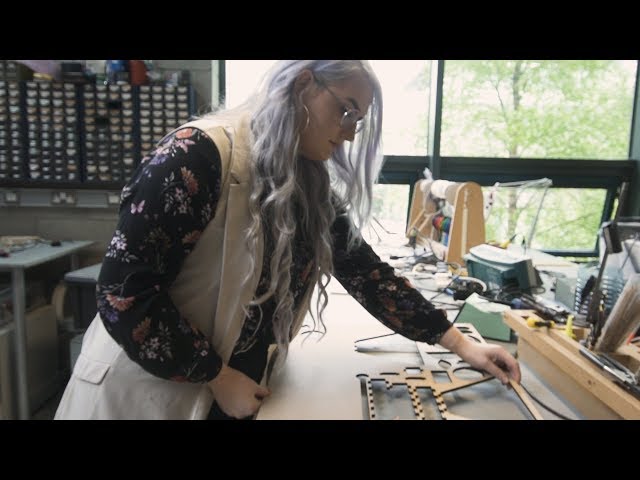
The future of design is digital. Whether it’s a watch that tracks every step you take or sensors embedded in our clothing: every part of our lives is shaped by technology. The degree in Interaction Design provides you with the skills and knowledge to think creatively about how we interact with the technologies that surround us and to develop designs that are people-centred in innovative ways.
The BSc in Interaction Design is a unique course that provides its students with a combination of essential skills for thinking, understanding and designing FOR people WITH technology. Graduates emerge with the critical and creative expertise to design meaningful interactions for people. The course includes an industry placement and focuses on how to design through an iterative practice of experimentation and reflection.
Course Details

What will you study?
-
User Centred Design, Participatory Design, Product Design, Mobile App Design, Physical Computing, Coding, Sociology of People and Media, Prototyping and User Research.
Important
- Colleges may add/remove modules to keep the course updated and to meet demands.
Progression to CAO Courses
The Student - Career Interests
This course is typically suited for people with the following Career Interests:
Creative
Creative people are drawn to careers and activities that enable them to take responsibility for the design, layout or sensory impact of something (visual, auditory etc). They may be atrracted to the traditional artistic pursuits such as painting, sculpture, singing, the performing arts or music. Or they may show more interest in design activities, such as architecture, animation, or craft areas, such as pottery and ceramics.
Creative people use their personal understanding of people and the world they live in to guide their work. Creative people like to work in unstructured workplaces, enjoy taking risks and prefer a minimum of routine.
Investigative
The Investigative person will usually find a particular area of science to be of interest. They are inclined toward intellectual and analytical activities and enjoy observation and theory. They may prefer thought to action, and enjoy the challenge of solving problems with sophiscticated technology. These types prefer mentally stimulating environments and often pay close attention to developments in their chosen field.
Further Research
DISCLAIMER: These links are to official sources of information for this course - we accept no responsibility for the information on them.
Career Progression
Graduates progressing directly into employment take up a wide variety of roles. The following provides a sample of initial roles listed on the Graduate Outcomes Survey by graduates approximately one year after graduation: Communication Designer, Digital Content Producer, Digital Marketing Executive and Content Creator, Freelance Designer, Freelance Digital Designer, Freelance Media Production, Front-end Designer and many more.
Further study options include: MA in Business Management, MSc in Marketing, Consumption and Society, and Research Masters or PhD.
