
Course Summary
Course Category: CAO (Higher Education - HET)
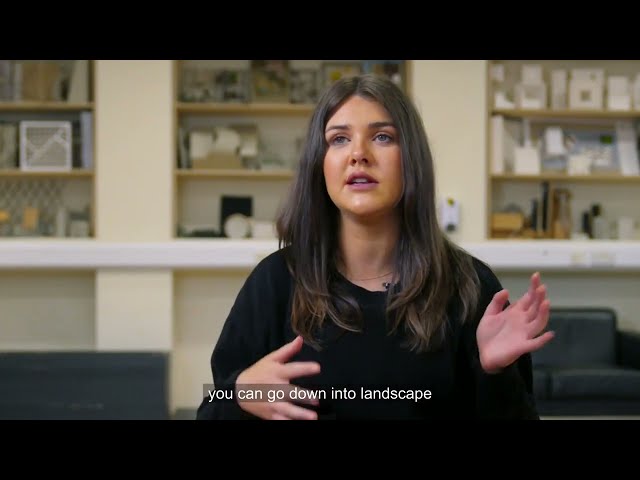
UCD Architecture is at the forefront of architectural and urban design, both in Ireland and internationally. Our degree attracts a diverse cross section of talents and approaches – from the technically minded to the artistically gifted; from the socially conscious to the natural communicators and leaders. All have the capacity to become successful and productive graduates in architecture.
There are two main elements to the Architecture course – project work (architectural design, drawing and model making) and the lecture programmes (historical and theoretical material). Project work is taught in the architecture design studios through a combination of lectures, individual tuition, field trips, group tutorials, large reviews and exhibitions
Course Details

What will you study?
-
Architectural Design Architectural Technologies History of Architecture Structure Design Environmental Science Architectural Practice Image Making
Important
- Colleges may add/remove modules to keep the course updated and to meet demands.
Progression to CAO Courses
The Student - Career Interests
This course is typically suited for people with the following Career Interests:
Creative
Creative people are drawn to careers and activities that enable them to take responsibility for the design, layout or sensory impact of something (visual, auditory etc). They may be atrracted to the traditional artistic pursuits such as painting, sculpture, singing, the performing arts or music. Or they may show more interest in design activities, such as architecture, animation, or craft areas, such as pottery and ceramics.
Creative people use their personal understanding of people and the world they live in to guide their work. Creative people like to work in unstructured workplaces, enjoy taking risks and prefer a minimum of routine.
Investigative
The Investigative person will usually find a particular area of science to be of interest. They are inclined toward intellectual and analytical activities and enjoy observation and theory. They may prefer thought to action, and enjoy the challenge of solving problems with sophiscticated technology. These types prefer mentally stimulating environments and often pay close attention to developments in their chosen field.
Realist
Realists are usually interested in 'things' - such as buildings, mechanics, equipment, tools, electronics etc. Their primary focus is dealing with these - as in building, fixing, operating or designing them. Involvement in these areas leads to high manual skills, or a fine aptitude for practical design - as found in the various forms of engineering.
Realists like to find practical solutions to problems using tools, technology and skilled work. Realists usually prefer to be active in their work environment, often do most of their work alone, and enjoy taking decisive action with a minimum amount of discussion and paperwork.
Further Research
DISCLAIMER: These links are to official sources of information for this course - we accept no responsibility for the information on them.
Career Progression
Most architectural graduates go into architectural practice and this degree will equip graduates to work in architecture anywhere across the world, whether in major global centres or in particular regional contexts. We want our students to be competent, responsible and confident architects and life – long learners.
However, this degree also provides graduates with a breadth of knowledge and a range of transferable skills and abilities applicable in many different contexts. Some graduates have gone on to pursue careers in associated professions and other forms of professional creative practice such as landscape architecture, planning, heritage site management, cultural and artistic practice, curatorial work, policy making, consultancy, product design or research.
