

Course Summary
Course Category: PLC (Further Education - FET) - Apply directly to College
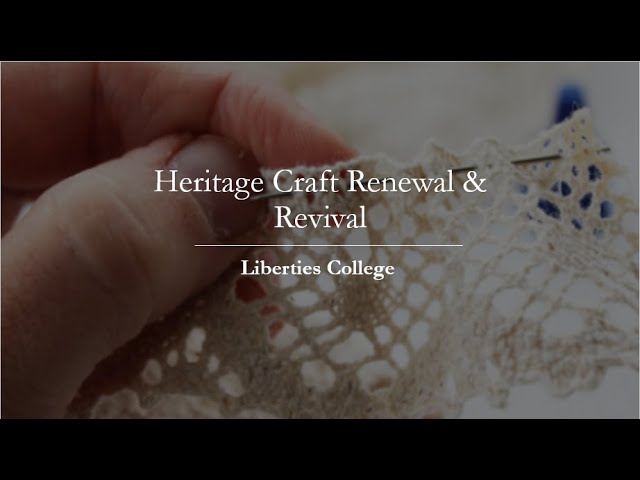
Students develop a practical working knowledge of Textiles and Craft skills as applied to traditional and contemporary heritage design and practice.This course will give chance to develop their own ethical and sustainable craft work. A deeper understanding of the history and traditions of traditional crafts of weaving, embroidery, lace making and felting.
QQI Level 5 Design
Course Details
This course prepares you for working in the following Career Sectors:
What will you study?
-
Design Skills
Drawing
Customer Service
Work Experience
Combined Materials
Appreciation of Art, Craft and Design
Computer Aided Draughting (2D)
Woven Textiles
Important
- Colleges may add/remove modules to keep the course updated and to meet demands.
- Almost all PLC courses have a Work Experience module, which requires students to find their own placement in an area directly related to their course.
Progression to CAO Courses
Higher Education Links Scheme (HELS)
This course results in a QQI Major Award, and provides progression opportunities to a number of Higher Education courses, including those in the CAO.
To view CAO courses to which this award provides a direct progression route, click below:
QQI Code
To calculate Points based on your QQI award results, use the PLC Points Calculator.
The Student - Career Interests
This course is typically suited for people with the following Career Interests:
Creative
Creative people are drawn to careers and activities that enable them to take responsibility for the design, layout or sensory impact of something (visual, auditory etc). They may be atrracted to the traditional artistic pursuits such as painting, sculpture, singing, the performing arts or music. Or they may show more interest in design activities, such as architecture, animation, or craft areas, such as pottery and ceramics.
Creative people use their personal understanding of people and the world they live in to guide their work. Creative people like to work in unstructured workplaces, enjoy taking risks and prefer a minimum of routine.
Realist
Realists are usually interested in 'things' - such as buildings, mechanics, equipment, tools, electronics etc. Their primary focus is dealing with these - as in building, fixing, operating or designing them. Involvement in these areas leads to high manual skills, or a fine aptitude for practical design - as found in the various forms of engineering.
Realists like to find practical solutions to problems using tools, technology and skilled work. Realists usually prefer to be active in their work environment, often do most of their work alone, and enjoy taking decisive action with a minimum amount of discussion and paperwork.
Further Research
National Statistics for this Award (All Ireland)
The following data provides general information about this Award from colleges across Ireland.
Disclaimer: These links are to web sites outside of CareersPortal and we accept no responsibility for the information on them.
Career Progression
Weaving machines operator
Threader and Patrol Controller
Production Operative- Weaving and Textiles
Loom or Embroidery Technician
Heritage Centre Manager
Textiles Buyer and marketer
Clothing textile technologist